
Recent Posts
- How to Sell Digital Products Online in 2026
- Google Ads Budget Planning in 2026: Smarter Ad Spend
- Social Media Posting Strategy in 2026: How Often to Post
- Content Marketing in 2026: How Brands Build Authority Without Chasing Trends
- Paid Advertising in 2026: Why Audience Quality Matters More Than Reach
Recent Comments
Micro-Interactions: Small Website Details That Boost Engagement
In 2025, user experience (UX) has become one of the biggest differentiators for websites. While many brands focus on design and content, it’s often the micro-interactions — those small, subtle animations or responses — that truly captivate users and encourage them to stay longer.
Micro-interactions are the fine details that make digital experiences feel more human. Whether it’s a button changing color when hovered, a loading animation, or a subtle sound when you complete a form, these small touches have a big impact. At SpiceRoute Media, we help businesses use micro-interactions strategically to improve engagement, retention, and conversion.
1. What Are Micro-Interactions?
Micro-interactions are tiny, functional animations that guide and engage users through your website. They respond to user behavior, providing feedback that enhances usability and satisfaction.
Examples include:
- A “like” button animation when clicked
- A progress bar during form submission
- A visual cue when a user hovers over a link or icon
- Subtle success or error messages after an action
Takeaway: These small details may seem minor, but together, they create a more intuitive and interactive digital experience.

2. Why Micro-Interactions Matter
Modern audiences expect websites to feel responsive, dynamic, and personal. A static page can feel lifeless, while micro-interactions make every action feel meaningful.
Key benefits of micro-interactions include:
- Improved usability: Users receive instant feedback, reducing confusion.
- Higher engagement: Motion captures attention and keeps visitors interacting.
- Brand personality: Animations add emotion and tone, helping your brand stand out.
- Encouraged conversions: Subtle cues guide users toward completing desired actions.
Transition: In other words, micro-interactions bridge the gap between design and emotion — turning functionality into delight.
3. Where to Use Micro-Interactions on Your Website
Knowing where to place micro-interactions can dramatically enhance your site’s performance.
Buttons and Calls-to-Action (CTAs)
Micro-animations on buttons create a sense of responsiveness. For example, when a “Contact Us” button changes color or slightly enlarges on hover, users instinctively know it’s clickable
Forms and Input Fields
Adding confirmation ticks, progress bars, or auto-fill animations improves the user journey. These small touches can reduce drop-offs during form submissions.
Navigation Menus
Dynamic menu transitions, hover highlights, or smooth dropdowns make site exploration feel seamless and enjoyable.
Loading and Transition States
Instead of showing a static loader, creative animations — like logo morphs or progress bars — can keep users entertained while content loads.
Notifications and Feedback
Subtle sounds or visual confirmations (like “Item added to cart”) reassure users that their action worked.
Takeaway: Every touchpoint is an opportunity to enhance the experience and subtly reinforce your brand’s attention to detail.
4. How to Design Effective Micro-Interactions
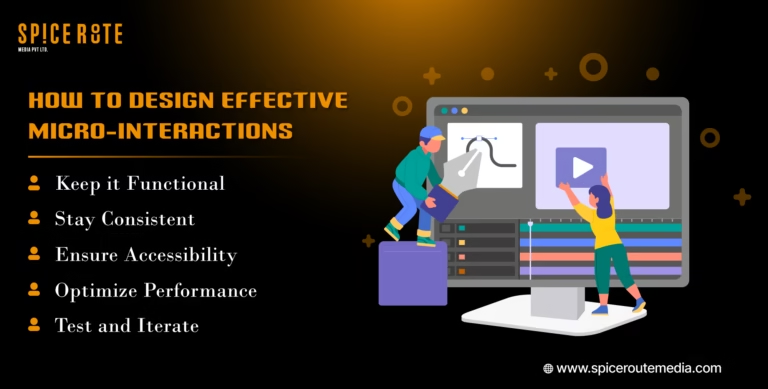
- Keep it functional: Every animation should have a clear purpose — guiding or confirming user actions.
- Stay consistent: Maintain the same motion style, speed, and tone across all interactions.
- Ensure accessibility: Avoid motion overload and provide options for users with motion sensitivities.
- Optimize performance: Lightweight animations prevent slow load times.
- Test and iterate: Use heatmaps and analytics to measure interaction success.
Transition: The best micro-interactions are the ones users notice subconsciously — they just feel that the site works smoothly.
5. The Role of AI and Personalization
In 2025, artificial intelligence plays a major role in creating dynamic, context-aware micro-interactions. Websites can now adapt in real time based on user preferences and behavior.
Examples:
- Personalized animations triggered by returning visitors
- Smart feedback systems that change tone or visuals based on user journey stage
- Predictive motion design that anticipates user intent
Takeaway: AI-driven micro-interactions are the future of web UX — merging technology, psychology, and creativity for deeper engagement.
Conclusion
Small details make a big difference. By incorporating micro-interactions, you can transform your website from a static interface into an engaging, intuitive experience that builds trust and boosts conversions.
At SpiceRoute Media, we specialize in crafting modern, user-centric websites that combine design, motion, and strategy. Our team ensures every pixel serves a purpose — including the micro-interactions that keep your audience coming back.
Contact us today to learn how we can elevate your website’s engagement and user experience.
- No Comments