
Recent Comments
In 2026, users expect websites to load instantly. Even a delay of a few seconds can lead to lost visitors, abandoned carts, and missed sales. Website loading speed in 2026 is no longer just a technical metric—it directly impacts user experience, trust, and conversions.
Whether you run an e-commerce store, service website, or content platform, optimizing website speed is now essential to convert visitors into customers.
Why Website Speed Matters More Than Ever
Website speed affects several key factors:
- User Experience – Slow websites frustrate users and increase bounce rates.
- Search Engine Rankings – Google prioritizes fast-loading pages in both desktop and mobile search results.
- Conversions – Studies show even a 1-second delay can reduce conversion rates by up to 7%.
- Brand Credibility – Fast websites convey professionalism and reliability, while slow sites appear untrustworthy.
In 2026, users are impatient, devices are faster, and competition is higher. Your website’s speed directly influences whether visitors stay and take action.
How Speed Affects Conversion Metrics
Website loading speed impacts several conversion-related metrics:
- Bounce Rate: Visitors leave if pages take too long to load.
- Session Duration: Slow websites reduce time spent engaging with your content.
- Page Views: Users visit fewer pages on slower sites.
- Checkout Abandonment: E-commerce sites lose revenue when carts are abandoned due to delays.
Fast-loading websites encourage users to explore more, engage deeper, and ultimately convert.
Key Factors That Affect Website Loading Speed
Several elements influence how fast a website loads:
- Hosting Performance – Poor hosting slows server response times.
- Image Sizes – Large, unoptimized images dramatically increase load times.
- Code Efficiency – Bloated code, scripts, and plugins reduce speed.
- Browser Caching – Proper caching allows repeat visitors to load pages faster.
- Content Delivery Networks (CDN) – CDNs distribute content globally, reducing latency.
Optimizing these factors is crucial for improving speed and conversions.
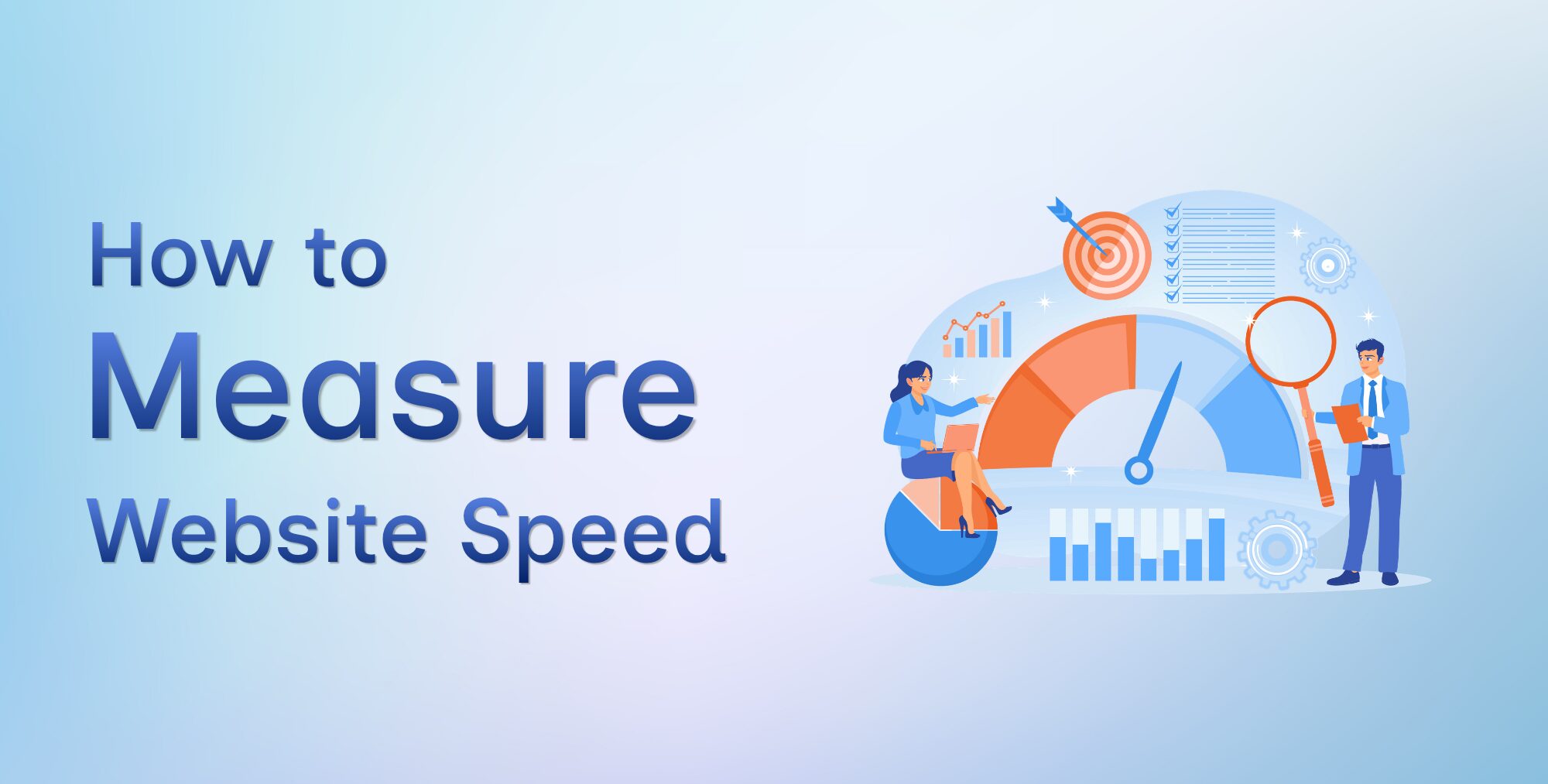
How to Measure Website Speed
Use tools to benchmark performance:
- Google PageSpeed Insights – Analyzes speed for desktop and mobile.
- GTmetrix – Provides detailed load time breakdowns.
- WebPageTest – Offers performance metrics across locations and devices.
Regular monitoring ensures your website remains fast even as new content and updates are added.
Practical Tips to Improve Website Loading Speed
- Optimize Images – Compress images without losing quality.
- Minify CSS, JavaScript, and HTML – Reduce code size for faster parsing.
- Enable Browser Caching – Store resources locally for repeat visitors.
- Use a Reliable Hosting Provider – Invest in high-performance hosting.
- Implement a Content Delivery Network (CDN) – Speed up delivery across regions.
- Reduce Redirects – Fewer redirects mean faster page loads.
- Lazy Load Images and Videos – Load media only when users scroll to them.
These optimizations can improve speed, reduce bounce, and increase conversions.
The Mobile Factor
With mobile traffic continuing to grow, speed is even more critical. Mobile users often have slower connections, making optimized websites essential. Google’s Core Web Vitals emphasize mobile performance, meaning faster sites rank higher and convert better.
Case Study: How Speed Boosts Conversions
A business that reduced its homepage load time from 5 seconds to 2 seconds saw:
- 30% increase in form submissions
- 25% increase in page views per session
- 20% increase in overall revenue
These results highlight the direct connection between loading speed and business growth.
Conclusion
Website loading speed in 2026 is no longer optional—it’s a conversion driver. Faster websites improve user experience, boost search rankings, reduce bounce rates, and directly increase sales.
At SpiceRoute Media, we help businesses optimize website speed, improve performance, and maximize conversions.
Looking for a digital marketing agency in Vadodara to optimize your website speed and boost conversions in 2026? Contact us today.
- No Comments